 By
By Industrial growth brings opportunity, employment, and economic strength—but it also brings responsibility. One of the biggest responsibilities industries face today is managing wastewater safely and sustainably. An Effluent Treatment Plant (ETP) is not just a regulatory requirement; it is a critical system that protects the environment, supports water reuse, and ensures long-term operational stability.
Yet many industries struggle with underperforming ETPs. Some plants fail to meet discharge norms, others suffer from high operating costs, and many simply do not deliver consistent results. This raises an important question: what truly makes an ETP successful?
This detailed guide explains the three pillars of a successful ETP—technology, compliance, and cost—based on real industrial challenges and practical solutions. Insights shared here are shaped by years of experience from Shri Balaji Aqua, a trusted Effluent Treatment Plant Manufacturer in Noida serving industries across India.
Understanding the Real Purpose of an Effluent Treatment Plant
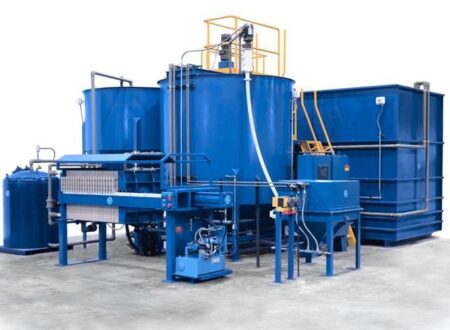
An Effluent Treatment Plant is designed to treat industrial wastewater containing chemicals, oils, heavy metals, organic load, and suspended solids. Its primary purpose is to make wastewater safe for discharge or reuse without harming the environment or violating pollution control norms.
A successful ETP does more than just “pass inspection.” It operates consistently, handles fluctuations in effluent load, adapts to future capacity needs, and supports water recycling goals. Choosing the right Effluent Treatment Plant Supplier in Noida plays a major role in achieving this outcome, as design mistakes at the beginning often lead to long-term operational failures.
Role of Technology in ETP Success
Technology is the backbone of any effective effluent treatment system. However, advanced technology alone does not guarantee success. The real value lies in choosing the right treatment process for the specific wastewater characteristics of an industry.
Different industries generate different types of effluent. A textile unit produces dye-rich wastewater, while a pharmaceutical plant releases high COD and chemical residue. A successful ETP begins with a detailed effluent analysis and process selection tailored to actual water quality, not assumptions.
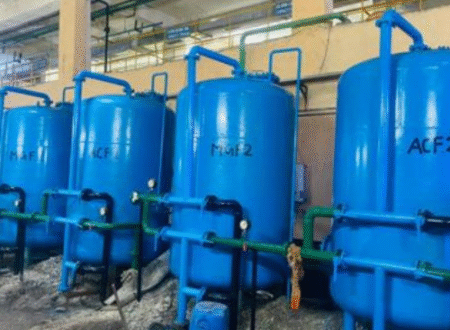
Modern ETPs combine physical, chemical, and biological processes to remove pollutants efficiently. As an experienced Wastewater Recycling ETP Manufacturer, Shri Balaji Aqua focuses on systems that allow treated water to be reused for cooling, washing, or gardening, reducing freshwater consumption significantly.
Automation and process control also play a key role. PLC-based systems ensure consistent treatment performance and reduce human error. However, technology must remain operator-friendly. Overly complex systems often fail because operators struggle to manage them effectively.
This balance between advanced engineering and practical usability is what differentiates a reliable Effluent Treatment Plant Manufacturer in Noida from a generic equipment supplier.
Compliance: The Non-Negotiable Factor
Regulatory compliance is often the primary reason industries invest in ETPs. Pollution Control Boards enforce strict discharge standards, and non-compliance can result in heavy penalties, shutdowns, or legal action.
A successful ETP is designed to meet not just current discharge norms but also future regulatory changes. This forward-thinking approach ensures long-term compliance and avoids costly retrofits later.
Compliance is not achieved by equipment alone. It depends on consistent performance, regular monitoring, and proper operation. This is why choosing a dependable Effluent Treatment Plant Supplier in Noida with strong after-sales support is just as important as the initial installation.
Shri Balaji Aqua integrates compliance into every stage of ETP design, ensuring that treated water quality remains stable even during load variations. This approach helps industries maintain uninterrupted operations without regulatory stress.
Wastewater Recycling: The New Measure of Success
Today, wastewater treatment is no longer just about disposal. Water scarcity and rising operational costs have made recycling an essential part of industrial planning.
A successful ETP is one that enables maximum water recovery. Treated wastewater can be reused in non-potable applications, significantly reducing dependence on freshwater sources. This is where the expertise of a professional Wastewater Recycling ETP Manufacturer becomes invaluable.
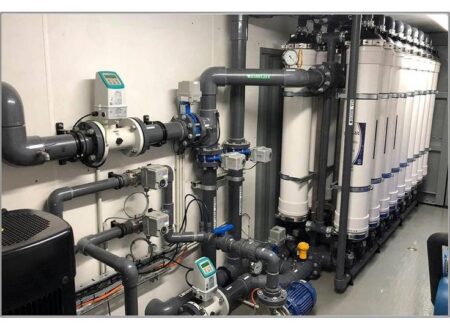
Recycling-ready ETPs are designed with tertiary treatment systems that polish treated water to a reusable quality. These systems support sustainability goals while delivering measurable cost savings over time.
Industries that invest in recycling-focused ETPs not only meet environmental norms but also strengthen their brand image as responsible and future-ready organizations.
Cost Breakdown: Capital Cost vs Long-Term Value
One of the most common mistakes industries make is evaluating an ETP solely based on initial cost. While budget considerations are important, the true cost of an ETP lies in its long-term operation.
A low-cost plant with poor design often leads to higher chemical consumption, excessive power usage, frequent breakdowns, and compliance failures. Over time, these hidden costs far exceed the initial savings.
A successful ETP balances capital investment with operational efficiency. This is why industries prefer working with an experienced Effluent Treatment Plant Manufacturer in Noida who understands lifecycle cost optimization.
Shri Balaji Aqua focuses on energy-efficient designs, optimized chemical dosing, and durable components to ensure low operating costs. This approach helps industries achieve faster return on investment while maintaining consistent performance.
Importance of Custom Design Over Standard Systems
No two industries generate identical wastewater. Standardized ETP designs often fail to address specific effluent challenges, leading to underperformance.
A successful ETP is always custom-designed. It considers effluent flow, pollutant load, space availability, regulatory requirements, and future expansion needs. This level of customization is only possible when working with a technically strong Effluent Treatment Plant Supplier in Noida.
Custom design ensures flexibility, scalability, and reliability—three qualities that define a truly successful ETP.
Operations, Maintenance, and Long-Term Performance
Even the best-designed ETP can fail if it is not operated and maintained properly. Regular monitoring, preventive maintenance, and operator training are essential for sustained performance.
A successful ETP partner provides more than equipment. They provide long-term support, performance audits, and system optimization. This ongoing involvement ensures that the plant continues to meet compliance and efficiency goals year after year.
As a responsible Wastewater Recycling ETP Manufacturer, Shri Balaji Aqua offers complete after-sales services to ensure uninterrupted plant operation and consistent treated water quality.
Why Experience Matters in ETP Projects
ETP projects involve complex engineering, regulatory understanding, and practical field experience. Inexperienced suppliers often overlook real-world challenges such as effluent fluctuations, operator limitations, and maintenance realities.
This is why industries trust an established Effluent Treatment Plant Manufacturer in Noida with a proven track record. Experience brings foresight, risk mitigation, and reliable execution—all critical for ETP success.
Conclusion
A successful Effluent Treatment Plant is the result of smart technology selection, strict regulatory compliance, and thoughtful cost planning. It is not a one-time installation but a long-term environmental and operational investment.
By focusing on customized design, recycling-ready systems, and lifecycle efficiency, industries can turn wastewater from a liability into a resource. Shri Balaji Aqua, a trusted Effluent Treatment Plant Supplier in Noida, continues to help industries achieve this transformation through reliable engineering and sustainable solutions.
When technology, compliance, and cost work together, an ETP does more than treat wastewater—it builds a cleaner, more responsible future.
FAQ
1.How do I know if my ETP design is suitable for my industry?
An ETP design is suitable when it is based on detailed effluent analysis and tailored to your specific wastewater characteristics. Consulting an experienced manufacturer ensures accurate process selection.
2.Why do some ETPs fail to meet discharge norms?
Most failures occur due to incorrect design assumptions, fluctuating effluent load, poor operation, or lack of maintenance support.
3.Can treated wastewater really be reused safely?
Yes, when designed properly by a professional wastewater recycling expert, treated water can be reused for multiple industrial applications.
4.Is a higher-cost ETP always better?
Not necessarily. The best ETP is one that offers optimal performance, compliance, and low operating cost over its lifetime.
5.How important is after-sales support in ETP projects?
After-sales support is critical. Regular monitoring and maintenance ensure consistent performance and long-term compliance.