By
By Introduction
Water scarcity and environmental concerns are two of the biggest challenges facing industries in India today. Rapid industrialization, coupled with increasing water demand, has placed significant pressure on natural water resources. Discharging untreated or partially treated wastewater not only harms the environment but also violates strict pollution control regulations.
This is where Zero Liquid Discharge (ZLD) plants come into play. ZLD systems ensure that industries recycle and reuse wastewater, leaving zero liquid discharge into the environment. By implementing ZLD, industries can achieve both sustainability and compliance with environmental norms.
As one of the leading ZLD plant manufacturers in India, Shri Balaji Aqua is dedicated to providing cutting-edge and customized water treatment solutions. In this blog, we’ll explain everything you need to know about the ZLD plant process, its importance, applications, and why Shri Balaji Aqua is considered a trusted name in sustainable industrial water management.
What is a ZLD Plant?
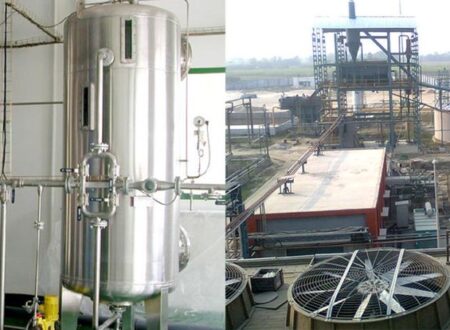
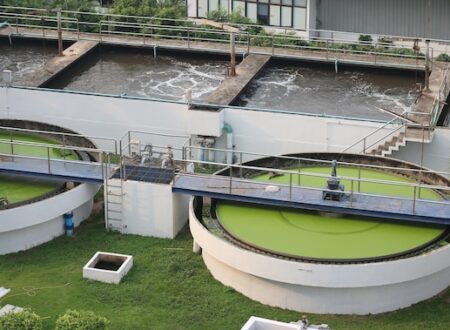
A Zero Liquid Discharge (ZLD) plant is an advanced wastewater treatment system designed to recover nearly all the water from industrial effluents. Instead of discharging liquid waste into the environment, ZLD systems treat, recycle, and reuse water, leaving only solid residues like salts or sludge for disposal.
In simple words, a ZLD plant ensures that every drop of water is accounted for, making industries more sustainable while reducing their water footprint.
Why ZLD Plants are Important in India
India is one of the fastest-growing economies, and its industrial sector is expanding rapidly. However, this growth comes with environmental responsibilities. Here are some reasons why ZLD plants are becoming a necessity in India:
- Water Scarcity – With groundwater depletion and limited freshwater resources, industries must adopt water recycling methods.
- Environmental Regulations – The Central Pollution Control Board (CPCB) and State Pollution Control Boards (SPCBs) have made ZLD mandatory in several sectors like textiles, tanneries, pharmaceuticals, and power plants.
- Sustainability Goals – ZLD plants align with corporate social responsibility (CSR) and sustainable development goals (SDGs).
- Cost Savings – While the initial investment is high, ZLD plants reduce long-term costs by minimizing freshwater purchase and wastewater disposal expenses.
Understanding the ZLD Plant Process
The ZLD plant process is a combination of physical, chemical, and biological treatment methods. The goal is to separate clean water from dissolved solids and recover it for reuse.
Here’s a step-by-step explanation of the typical ZLD plant process:
1. Pre-Treatment
- Removes suspended solids, oil, grease, and organic impurities.
- Techniques: Screening, coagulation, flocculation, and clarification.
2. Membrane Filtration
- Advanced filtration methods like Ultrafiltration (UF) and Reverse Osmosis (RO) are used.
- RO membranes help recover 70–80% of the water.
3. Evaporation
- The RO reject water (brine) is concentrated further using evaporators such as Mechanical Vapor Recompression (MVR) or Multiple Effect Evaporators (MEE).
4. Crystallization
- Final step to recover salts from concentrated brine.
- Produces solid crystals (salts) that can be disposed of or reused in some industries.
5. Water Recovery
- The treated water is collected and reused within industrial operations.
- Ensures zero liquid discharge into the environment.
This ZLD plant process guarantees maximum water recovery and minimal environmental impact.
Applications of ZLD Plants in Industries
ZLD plants are widely used across industries where water demand is high and effluent is complex. Some key sectors include:
- Textile & Dyeing Industry – High TDS and color-rich wastewater is treated for reuse.
- Pharmaceutical Industry – Removes complex organic chemicals and solvents from wastewater.
- Power Plants – Manages cooling tower blowdown and boiler wastewater.
- Chemical & Petrochemical Industry – Treats effluent containing salts, acids, and hydrocarbons.
- Paper & Pulp Industry – Recycles wastewater for sustainable operations.
- Food & Beverage Industry – Ensures clean water for process reuse and regulatory compliance.
Benefits of ZLD Plants
Implementing a ZLD plant provides multiple advantages to industries:
- Water Conservation – Up to 95–98% water recovery.
- Regulatory Compliance – Meets CPCB/SPCB discharge norms.
- Environmental Protection – Prevents contamination of rivers, lakes, and groundwater.
- Cost Efficiency – Reduces dependence on freshwater sources and lowers disposal costs.
- Corporate Image – Enhances brand reputation as an eco-friendly and sustainable company.
Challenges in ZLD Plant Implementation
While ZLD technology offers immense benefits, it also comes with some challenges:
- High Capital Investment – Initial setup cost is significant.
- Energy Intensive – Evaporation and crystallization require high energy.
- Sludge Disposal – Handling and safe disposal of solid waste can be challenging.
- Skilled Operation – Requires trained professionals for operation and maintenance.
Despite these challenges, leading ZLD plant manufacturers like Shri Balaji Aqua provide customized, cost-effective, and energy-efficient solutions to overcome these barriers.
Why Choose Shri Balaji Aqua as Your ZLD Plant Manufacturer in India
When it comes to ZLD plant manufacturers in India, Shri Balaji Aqua stands out as a reliable and experienced partner. Here’s why:
1. Expertise & Experience
With years of expertise in water and wastewater treatment, Shri Balaji Aqua has successfully installed numerous ZLD plants across industries.
2. Customized Solutions
Every industry has unique effluent characteristics. Shri Balaji Aqua designs tailor-made ZLD systems to suit specific requirements.
3. Advanced Technology
Utilizing the latest technologies in RO, MEE, MVR, and crystallization, the company ensures efficient and sustainable performance.
4. End-to-End Services
From consultation, design, manufacturing, and installation to after-sales service, Shri Balaji Aqua provides complete solutions under one roof.
5. Commitment to Sustainability
Our mission is to help industries achieve sustainability while reducing environmental impact.
Future of ZLD Plants in India
The future of ZLD plant manufacturers in India looks promising due to:
- Stricter Environmental Regulations – More industries will be mandated to adopt ZLD.
- Technological Innovations – Energy-efficient designs and hybrid systems will reduce operational costs.
- Growing Awareness – Companies are realizing the value of water conservation and eco-friendly practices.
- Government Support – Policies encouraging water recycling and reuse will promote ZLD adoption.
(FAQs)
Q1. What is the purpose of a ZLD plant?
A ZLD plant ensures zero liquid discharge by treating and recycling wastewater, leaving no liquid effluent.
Q2. Which industries need ZLD plants the most?
Textile, pharma, power plants, petrochemicals, and tanneries are the primary industries requiring ZLD systems.
Q3. How much water recovery can a ZLD plant achieve?
Most ZLD plants recover 95–98% of water.
Q4. What is the role of the ZLD plant process?
The ZLD plant process involves pre-treatment, RO filtration, evaporation, and crystallization to recover reusable water.
Q5. Why choose Shri Balaji Aqua for ZLD plants?
Because of their expertise, customized solutions, advanced technology, and commitment to sustainability.
Conclusion
In today’s world, where water is as valuable as any natural resource, industries must adopt sustainable practices. Zero Liquid Discharge (ZLD) plants are not just a regulatory requirement but also a step towards responsible and future-ready industrial operations.
As one of the leading ZLD plant manufacturers in India, Shri Balaji Aqua is committed to delivering advanced, efficient, and eco-friendly ZLD systems. With a focus on innovation, sustainability, and customer satisfaction, we help industries achieve their water management goals while protecting the environment.
If you are looking for reliable ZLD plant solutions in India, trust Shri Balaji Aqua – your partner for sustainable industrial water treatment.